
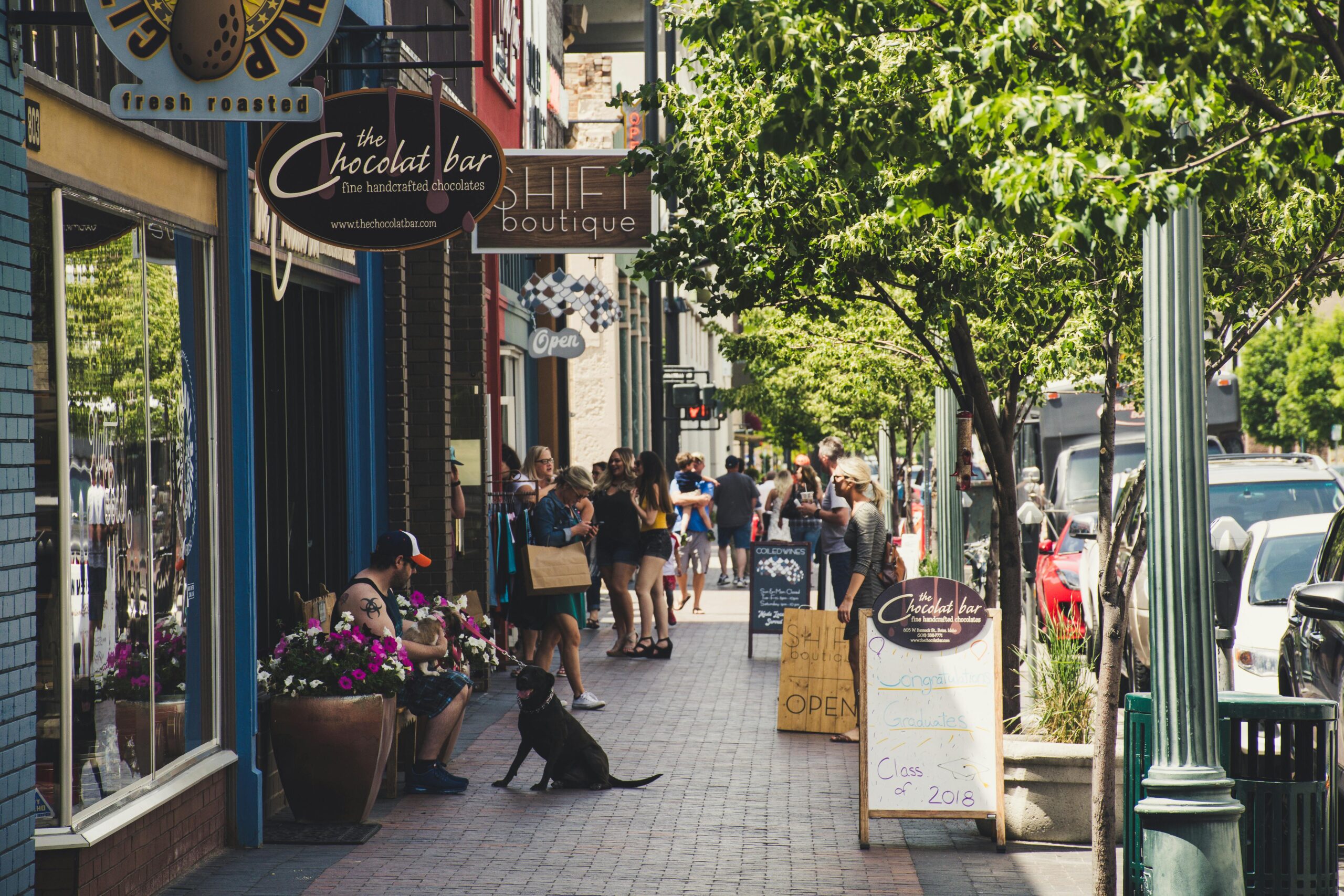
Why Real-World Socialization Matters in Rhode Island
As a professional dog trainer working with families across Providence, Warwick, Cranston, and Rhode Island’s coastal towns, I hear the same question every August: How do I help my dog handle busy spaces before fall festivals, farmers’ markets, and patio season?
The answer is purposeful socialization. It is not simply exposure for exposure’s sake. It is a structured plan that teaches your dog how to respond when life gets loud, crowded, and full of distractions.
Real-world socialization builds three critical skills:
- Calm neutrality around dogs, people, and movement
- Handler focus even when the environment is stimulating
- Recovery speed, or the ability to settle quickly after surprises like dropped trays, skateboards, or a barking dog
When you train these skills, a walk through Roger Williams Park feels easy, coffee on Westminster Street is relaxed, and coastal strolls in Narragansett become a joy instead of a battle.
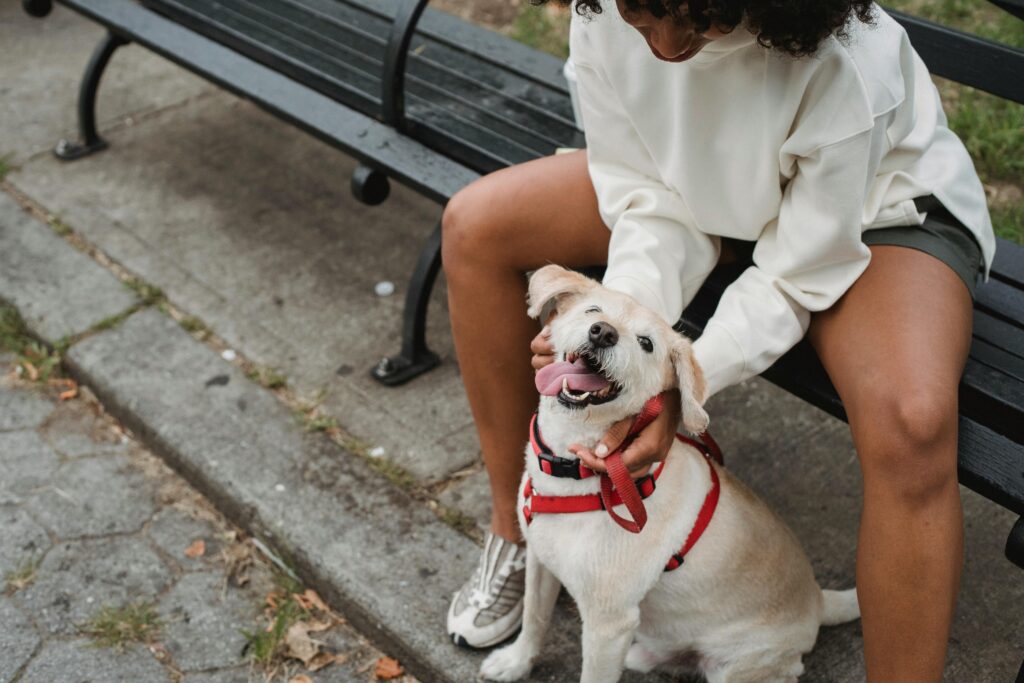
Socialization Is Training, Not Chance
Many owners assume socialization ends after puppyhood or that more exposure will fix reactivity. In reality, unstructured exposure often makes problems worse. Dogs rehearse whatever works for them. If pulling toward dogs works, they will pull harder next time. If barking makes a skateboard disappear, barking becomes their go-to solution.
Socialization succeeds when you control what your dog rehearses. Think of every outing as a training session with a clear objective. You decide the distance, duration, and difficulty, not the environment.
Building Your Rhode Island Socialization Plan
Here is a framework to create calm, confident public manners:
- Choose the right starter environments
Begin where you can manage space. Quiet side streets, wide park paths, or a cafe patio during off-hours set you up for success. Gradually move to busier spots like Hope Street or WaterFire only after your dog is performing well in easier settings. - Install foundation behaviors
Before heading out, your dog should respond reliably at home to:- Name recognition with eye contact
- Sit and Down with a pause before release
- Loose leash walking for 10 to 15 steps
- Place (stationary relaxation on a mat)
- Use the three D’s: Distance, Duration, Distraction
Adjust one at a time. If your dog struggles, increase distance first. - Reinforce the behaviors you want
Reward your dog the moment they choose you over the environment. - Keep sessions short
Five to ten minutes in stimulating places is plenty. End on a win.
Rhode Island Field Guide: Where and How to Practice
Cafes and patios
Start during quiet times. Park your dog on a mat under the table, facing away from foot traffic. Build the “Place” behavior gradually from one minute to ten minutes.
Parks and greenways
Wide paths let you control distance from joggers and bicycles. Walk figure eights to normalize passing without interaction.
Farmers’ markets and festivals
Scout first without your dog. On training day, stick to the perimeter for short, positive visits.
Dog parks
While some dogs thrive in them, others may not. For a deeper look, check out our post on Are Dog Parks Safe in Providence, Rhode Island?.
Dog Park Etiquette That Keeps Everyone Safe
If a dog park is part of your routine, make sure you follow good manners and safety practices. The AKC dog park etiquette tips outline essential steps like assessing your dog’s readiness, supervising play, and recognizing safe body language.
Some key reminders:
- Only bring healthy, vaccinated dogs with neutral leash manners
- Skip food and high-value toys inside the park to prevent conflicts
- Watch for healthy play signals like loose wags and curved approaches, and step in at the first sign of tension
Common Socialization Mistakes in Busy Places (and Fixes)
- Letting the leash tighten constantly. Keep a small “smile” in the leash to avoid tension.
- Greeting every dog or person. Teach neutrality by allowing only a few planned greetings.
- Starting in high-intensity environments. Begin in quiet spaces, then build difficulty.
- Talking nonstop. Use clear markers and periods of quiet observation.
- Overdoing it. Keep sessions short to prevent overwhelm.
What to Bring in Your Training Kit
- Flat collar or fitted harness with a six-foot leash
- Treat pouch with soft, high-value rewards
- Mat or towel for Place training
- Poop bags and a small water bowl
- A calm, focused mindset
When to Bring in a Pro
If your dog barks, lunges, or fixates in public, structured help will fast-track your success. Our Basic & Advanced Obedience Program teaches reliable leash skills, a consistent marker system, and public manners that transfer from your living room to busy streets.
Final Thoughts and Next Steps
Rhode Island offers endless dog-friendly opportunities, from cozy coffee shops to sprawling green spaces. With the right plan, your dog can handle them all with confidence. If you are ready to make public outings stress-free, reach out through our contact page and let’s get started.