
Why Crate Training Gets a Bad Rap
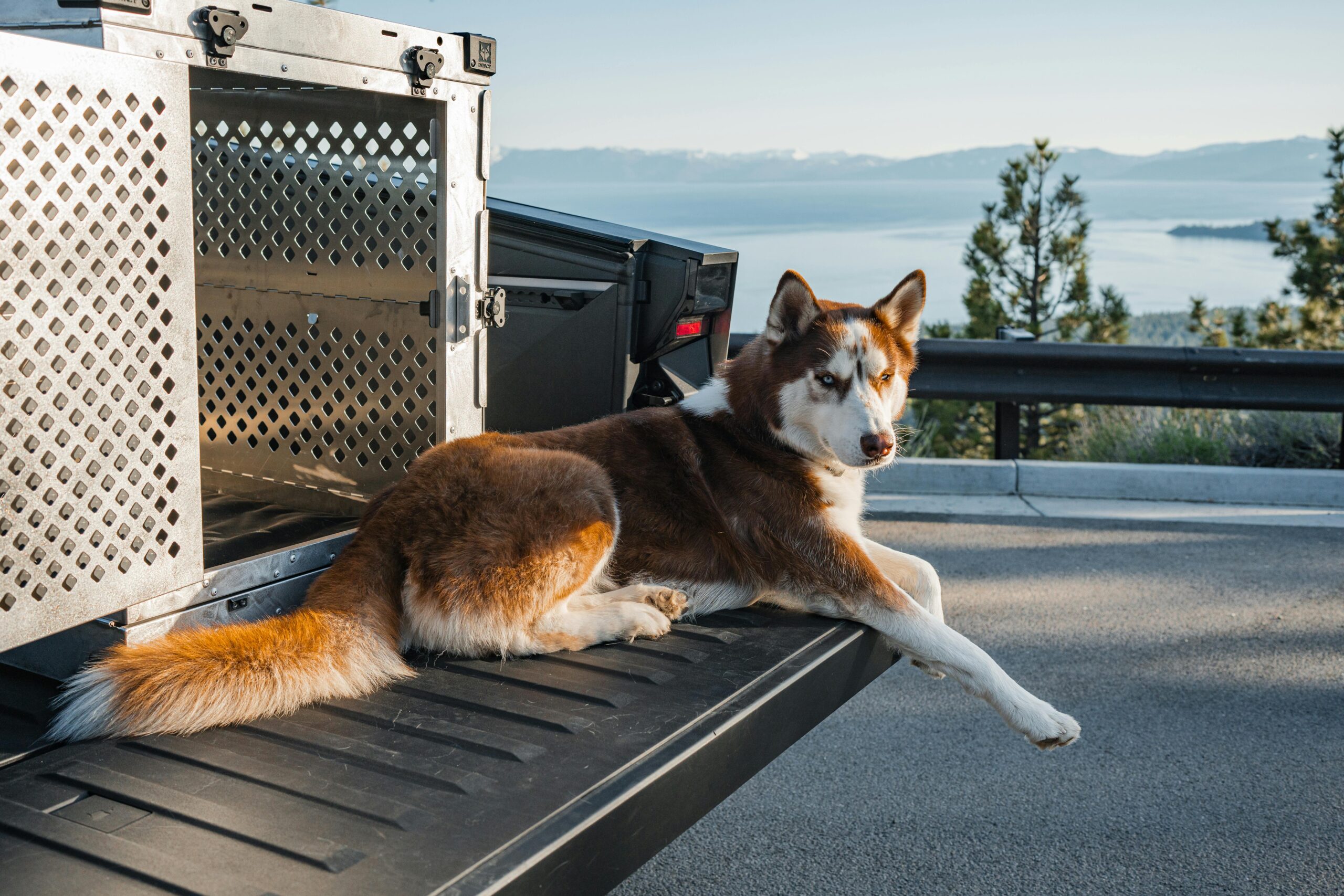
Many dog owners hesitate to use a crate because they believe it is cruel or punishing. The truth is, when introduced correctly, crate training is one of the most effective tools for safety, structure, and stress management. In fact, many dogs come to view their crate as a personal den where they can relax.
In Rhode Island homes, where space can vary from cozy apartments in Providence to larger houses in the suburbs, a crate provides your dog with a consistent safe space no matter where you live.
The Real Purpose of Crate Training
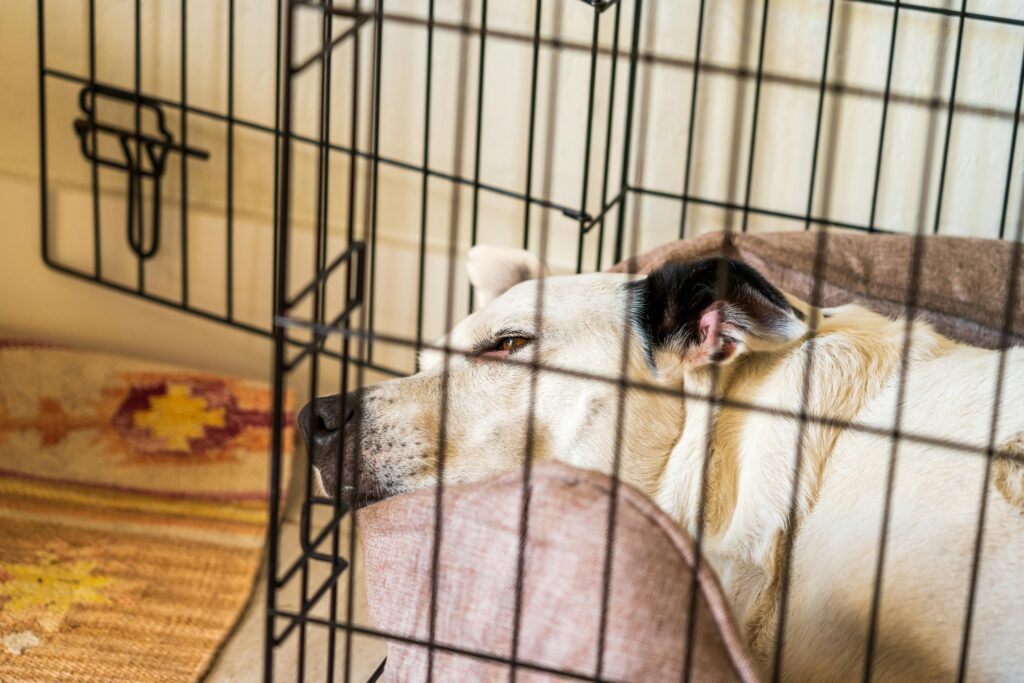
A properly trained dog sees the crate as:
- A safe zone during busy household activity or when guests visit
- A travel den for car rides or vet visits
- A management tool to prevent accidents during house training
- A recovery space after surgery or illness
Crate training is about teaching independence and calm, not punishment.
Debunking Common Crate Myths
Myth 1: Crates are for bad dogs
Reality: Crates are for all dogs. Even well-trained dogs benefit from having a designated rest area.
Myth 2: My dog will hate being confined
Reality: With gradual introduction and positive reinforcement, most dogs happily enter their crate on command.
Myth 3: Crates are only for puppies
Reality: Adult dogs also benefit, especially in multi-dog households or homes with frequent visitors.
Step-by-Step Crate Training Plan
- Choose the right size crate
Your dog should be able to stand, turn, and lie down comfortably. Too much extra space can encourage accidents. - Introduce the crate positively
Place it in a low-traffic area with the door open. Toss treats inside and allow your dog to explore at their own pace. - Feed meals in the crate
This creates a positive association with the space. - Add short training sessions
Ask your dog to enter, close the door briefly, and then release them with praise. - Gradually increase crate time
Build from a few minutes to longer periods, always ensuring your dog is calm when you let them out.
Using the Crate in Everyday Life
Crates are especially helpful in situations like:
- Hosting guests who may be uncomfortable around dogs
- Supervising play between children and pets
- Giving your dog a break during high-energy gatherings
- Providing security during fireworks or storms
For example, during busy public events or training at locations like Are Dog Parks Safe in Providence, Rhode Island?, having a dog that’s comfortable with crating can make travel and downtime much easier.
Choosing the Right Crate
The AKC crate training guide is a great resource for understanding the different types of crates, from wire to soft-sided options, and which might work best for your dog’s needs.
Why Professional Guidance Helps
If your dog struggles with whining, barking, or anxiety in the crate, professional training can speed up the process. Our Basic & Advanced Obedience Program includes crate training support to make the transition smooth and stress-free for both you and your dog.
Final Thoughts and Next Steps
Crate training is not about restricting your dog’s freedom. It’s about giving them a safe, secure space they can call their own. When done correctly, it improves behavior, safety, and peace of mind.
If you want to start crate training the right way, reach out through our contact page and let’s build a plan that works for you and your dog.