
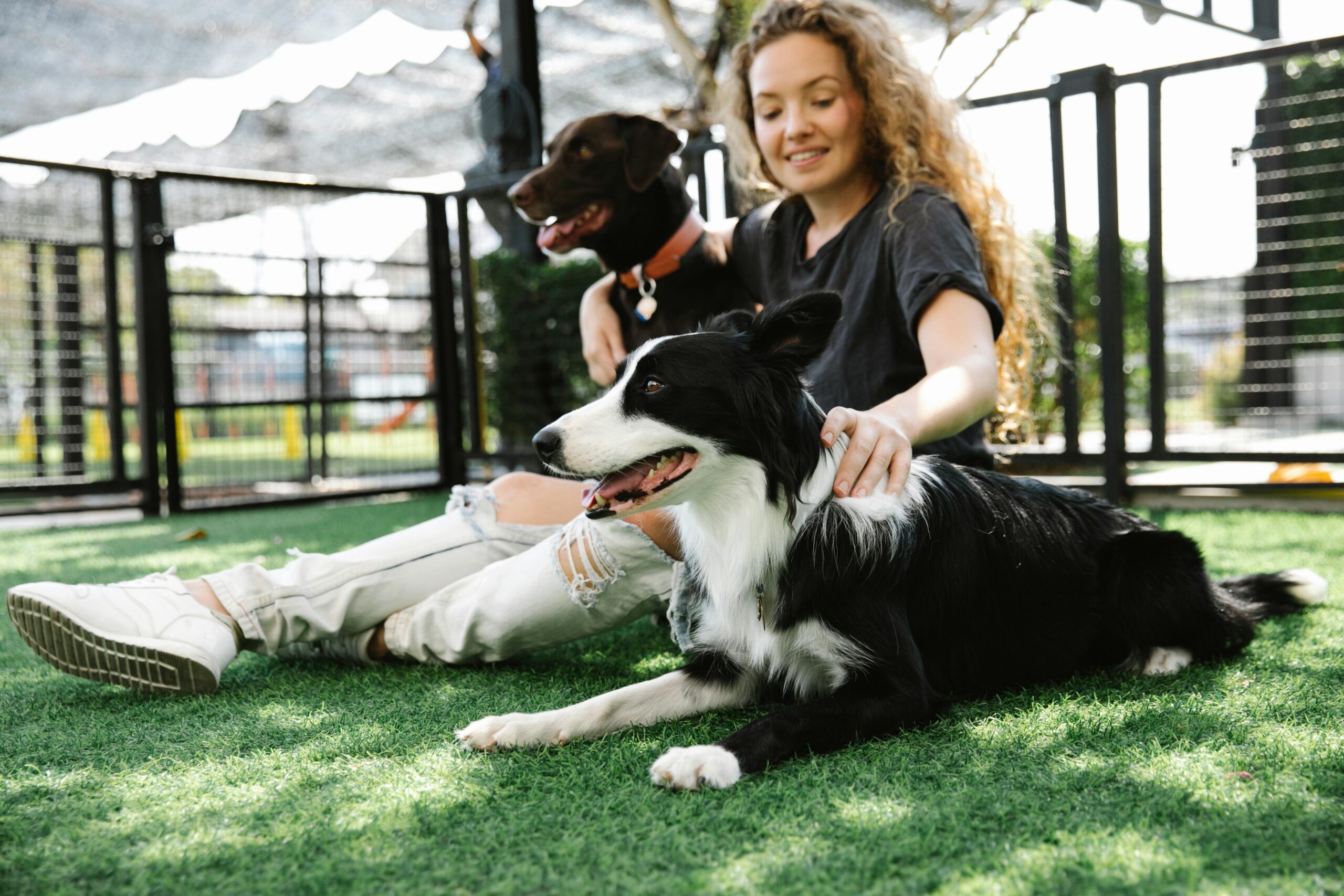
You want your dog to have fun, burn energy, and socialize. In Rhode Island, that often means two options: the dog park or a structured play session with known dogs. But which is better for building obedience and maintaining good behavior? The answer depends on your dog’s temperament, your training goals, and the environment you choose.

The Appeal of Dog Parks
Dog parks like those in Providence, Cranston, and along the coast are popular because they offer:
- Large fenced-in areas for off-leash exercise
- Opportunities to meet new dogs and people
- A chance to burn energy quickly
However, not all dogs thrive in these environments. Without structure, high-energy play can escalate into bad habits like overexcitement, rough play, or even aggression. For a deeper understanding of potential risks, our post on Are Dog Parks Safe in Providence, Rhode Island? is worth a read.
The Benefits of Structured Play
Structured play is exactly what it sounds like: a controlled, intentional interaction between dogs. This could be a one-on-one meetup with a friend’s dog, a supervised group class, or a playdate at a private fenced yard.
Benefits include:
- Controlled introductions that prevent overwhelming your dog
- Built-in obedience practice with breaks and recalls
- Safer play styles since you know the other dogs’ temperaments
- Better focus on you, even when other dogs are around
Why Structure Supports Training
When you’re in a structured environment, you can easily incorporate training into the session:
- Practice recall before releasing your dog to play again
- Use “Place” to help your dog settle between bursts of activity
- Work on loose leash walking when entering and leaving the play area
This kind of repetition reinforces that fun comes through following your cues, not through ignoring them.
Mixing Both Approaches
Dog parks are not automatically bad, and structured play is not the only answer. Many owners find success by using both, but with clear boundaries. For example:
- Use structured play to teach your dog the rules of polite interaction
- Transition to dog parks occasionally once your dog has mastered recall and calm greetings
- Keep dog park visits short and positive, ending on a good note
The AKC dog park etiquette tips are an excellent guide for ensuring any dog park visit is safe and enjoyable.
Professional Support for Social Skills
Our Basic & Advanced Obedience Program teaches the obedience and impulse control needed for both structured play and safe dog park use. From perfecting recall to calmly passing other dogs, the skills you build in training will carry over into any social setting.
Final Thoughts and Next Steps
Whether you choose dog parks, structured play, or a mix of both, the key is setting your dog up for success. Know your dog’s limits, prepare them with solid obedience, and choose environments that reinforce the behavior you want.
If you are ready to develop the skills your dog needs for safe and fun social experiences, reach out through our contact page and let’s start building a training plan.