
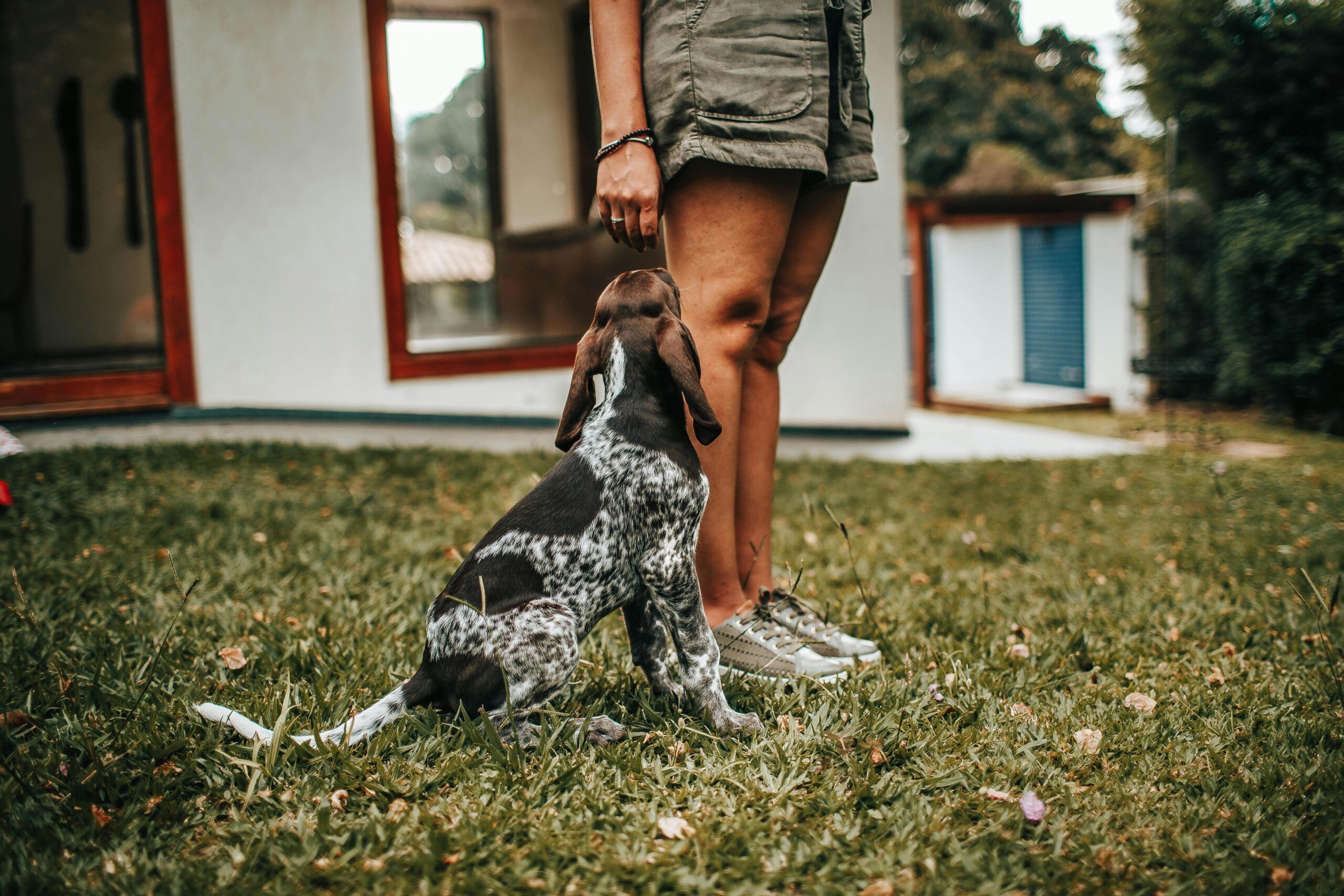
Obedience training is not a one-time event. Just like people, dogs change as they grow. Their needs, challenges, and learning styles shift from puppyhood through their senior years. If you adapt your training to each stage, you can maintain a happy, well-behaved companion for life.
In Rhode Island, the variety of environments, from busy city streets in Providence to coastal trails in Narragansett, offers unique opportunities and challenges for dogs at every age. This guide will walk you through stage-by-stage obedience strategies to help you get the best results.
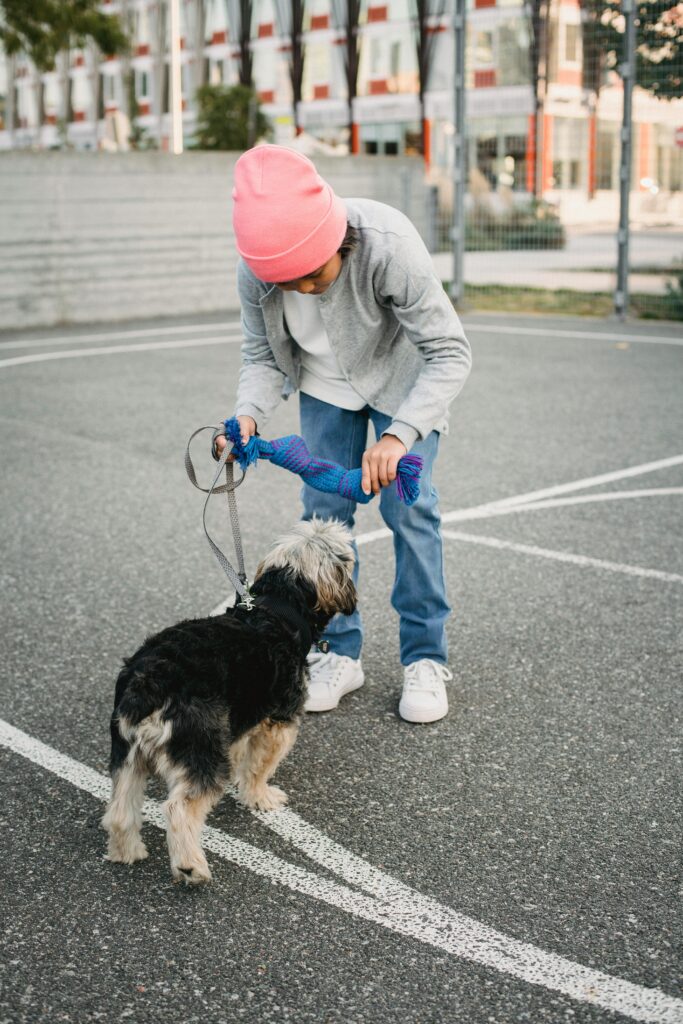
Puppyhood (8 Weeks to 6 Months)
This is the most critical period for shaping behavior. Puppies are naturally curious and more open to new experiences. The goal here is building a foundation of trust and basic skills.
Key training goals:
- Name recognition and attention to handler
- Sit, down, and short stay commands
- Potty training and crate introduction
- Early leash skills and gentle handling
Socialization focus:
Expose your puppy to a variety of sights, sounds, and surfaces in a controlled way. Keep experiences positive and short. If you are considering introducing your pup to dog parks later in life, start by understanding what makes those environments safe or risky in our guide on Are Dog Parks Safe in Providence, Rhode Island?.
Adolescence (6 Months to 2 Years)
Adolescence is when many dogs push boundaries. They may “forget” commands they knew well as puppies. This is the time to reinforce rules consistently and keep your dog mentally and physically engaged.
Training focus:
- Proofing obedience commands in busier environments
- Strengthening loose leash walking
- Beginning off-leash recall work with a long line
- Impulse control exercises like “leave it” and “wait”
Pro tip: Structured play sessions can help channel energy while reinforcing commands. For more on keeping play safe and productive, review the AKC dog park etiquette tips.
Adulthood (2 Years to 7 Years)
Adult dogs tend to be more predictable, but that does not mean you can stop training. Skills need regular maintenance to stay sharp, especially in distracting environments.
Training focus:
- Long-duration stays with distractions
- Reliable recalls even with competing stimuli
- Advanced leash manners in high-traffic areas
- Off-leash control in safe, enclosed spaces
Lifestyle integration:
Incorporate obedience into daily life. Ask for a sit before crossing the street, practice a down at the vet’s office, and reinforce recalls during hikes in places like Colt State Park.
Senior Years (7+ Years)
Senior dogs may slow down, but training is still valuable for keeping their minds active and maintaining mobility. Commands might need to be adapted for physical comfort.
Training focus:
- Shorter sessions with more breaks
- Gentle physical cues if hearing declines
- Continuing place work and recall at reduced distances
Pro tip: Keep using positive reinforcement to maintain enthusiasm. Even older dogs enjoy learning and benefit from the mental engagement.
The Importance of Real-World Training in Rhode Island
Every stage of life benefits from training in varied environments. Rhode Island offers countless opportunities:
- Quiet suburban streets for early leash work
- Farmers’ markets and outdoor cafes for distraction training
- Beaches and trails for practicing recalls and impulse control
The more places you practice, the more reliable your dog’s obedience will be.
How Professional Training Fits In
Our Basic & Advanced Obedience Program is designed to support dogs at every stage. Whether you are raising a confident puppy, guiding a rowdy adolescent, polishing skills in adulthood, or adapting routines for a senior, we can tailor your plan for success.
We focus on real-world reliability, so your dog responds anywhere, not just in your living room.
Final Thoughts and Next Steps
Obedience training is not about perfection. It is about building communication, trust, and habits that make life easier for both you and your dog. No matter your dog’s age, there is always room to learn, adapt, and grow together.
If you are ready to start a program that evolves with your dog’s needs, reach out through our contact page and let’s create a lifetime training plan.