
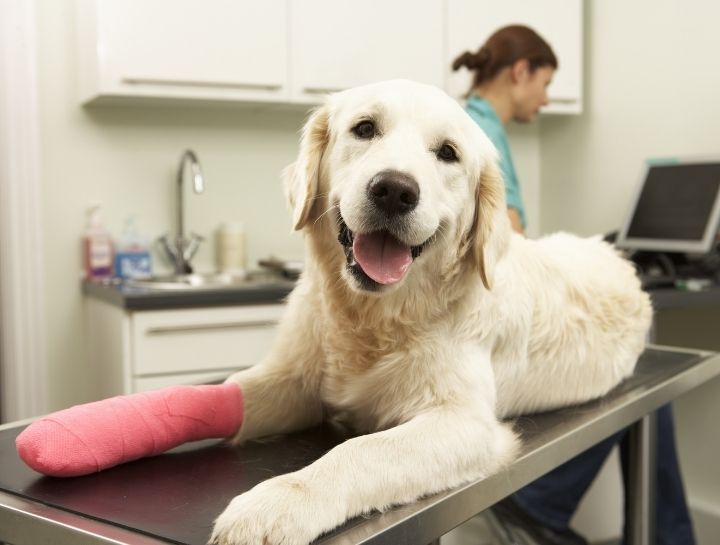
As a professional dog trainer, I have seen firsthand how closely behavior and health are connected. Many behavior challenges are not just training problems. They are often influenced by pain, discomfort, stress, or underlying medical issues. That is why vets and trainers frequently work together on behavior. When both professionals collaborate, dogs receive clearer guidance and owners see more consistent progress.
Behavior is communication. When a dog’s behavior suddenly changes or escalates, it is often their way of telling us something is wrong. This is where cooperation between vets and trainers becomes essential.
How Physical Health Impacts Behavior
Dogs do not hide discomfort the way people do. Instead, it shows up in their behavior. Reactivity, fear, aggression, withdrawal, and resistance to handling can all be signs of physical issues.
Some common medical factors that affect behavior include:
-
Joint pain or arthritis
-
Ear infections or dental discomfort
-
Hormonal imbalances
-
Digestive issues
-
Neurological conditions
When I see behavior that seems out of character or resistant to training, I always encourage clients to involve their veterinarian. This allows vets and trainers to rule out physical causes before adjusting behavior plans.
Why Trainers Refer Clients to Veterinarians
From a trainer’s perspective, patterns matter. When a dog’s reactions are inconsistent, sudden, or extreme, it raises red flags. In these cases, collaboration between vets and trainers protects the dog and prevents unnecessary stress.
I commonly suggest veterinary evaluation when:
-
Aggression appears suddenly
-
Anxiety worsens despite consistent structure
-
A dog becomes sensitive to touch
-
Focus and engagement drop unexpectedly
Working together allows vets and trainers to build training plans that respect a dog’s physical limitations and emotional state. This prevents setbacks and creates safer learning environments.
How Veterinarians Support Training Success
Veterinarians play a crucial role in behavior modification. Their insight helps trainers understand what a dog is physically capable of and what accommodations may be needed.
Veterinary support may include:
-
Pain management recommendations
-
Anxiety or stress related treatment options
-
Nutritional guidance
-
Recovery planning after injury or surgery
-
Behavior related referrals
When vets and trainers stay aligned, dogs experience less confusion. Training becomes clearer, expectations are more realistic, and progress is more consistent.
Training Improves Veterinary Visits
The collaboration between vets and trainers works both ways. Well trained dogs are easier and safer to examine. Cooperative behaviors learned through training make veterinary care less stressful for everyone involved.
Training skills that support smoother vet visits include:
-
Calm leash walking
-
Place or settle commands
-
Handling tolerance
-
Reliable obedience cues
-
Focus in unfamiliar environments
Programs like the Basic & Advanced Obedience Program help dogs develop the impulse control and confidence needed to handle veterinary environments successfully.
When Behavior Challenges Require a Team Approach
Complex behavior issues benefit the most from teamwork. Fear, reactivity, and aggression rarely have a single solution. Vets and trainers working together can address both the emotional and physical sides of the problem.
A collaborative behavior plan often includes:
-
A veterinary exam to rule out medical contributors
-
A training assessment to identify triggers
-
Management strategies to reduce stress
-
Ongoing communication between professionals
This approach is especially important in multi dog households. Owners dealing with multiple personalities can benefit from guidance like multi dog success and expert training tips, which highlights the importance of structure and consistency.
Working With Warwick Animal Hospital
Having a trusted veterinary partner makes a significant difference. Warwick Animal Hospital understands the close relationship between physical health and behavior and supports a collaborative approach with trainers.
Located at 1950 Elmwood Ave in Warwick, Rhode Island, their team provides compassionate veterinary care focused on overall wellbeing. Dog owners who want to schedule an appointment or discuss behavior related concerns can reach out through the Warwick Animal Hospital contact page, call 401-785-2222, or email [email protected].
Final Thoughts
Behavior challenges can feel overwhelming, but they are far easier to manage when vets and trainers work together. Addressing health and behavior at the same time gives dogs clearer guidance and better support. This collaboration leads to safer handling, calmer behavior, and long term success.
If you are ready to strengthen your dog’s behavior through structured training and professional guidance, you can start by reaching out through the Off Leash K9 Training Providence contact page.