
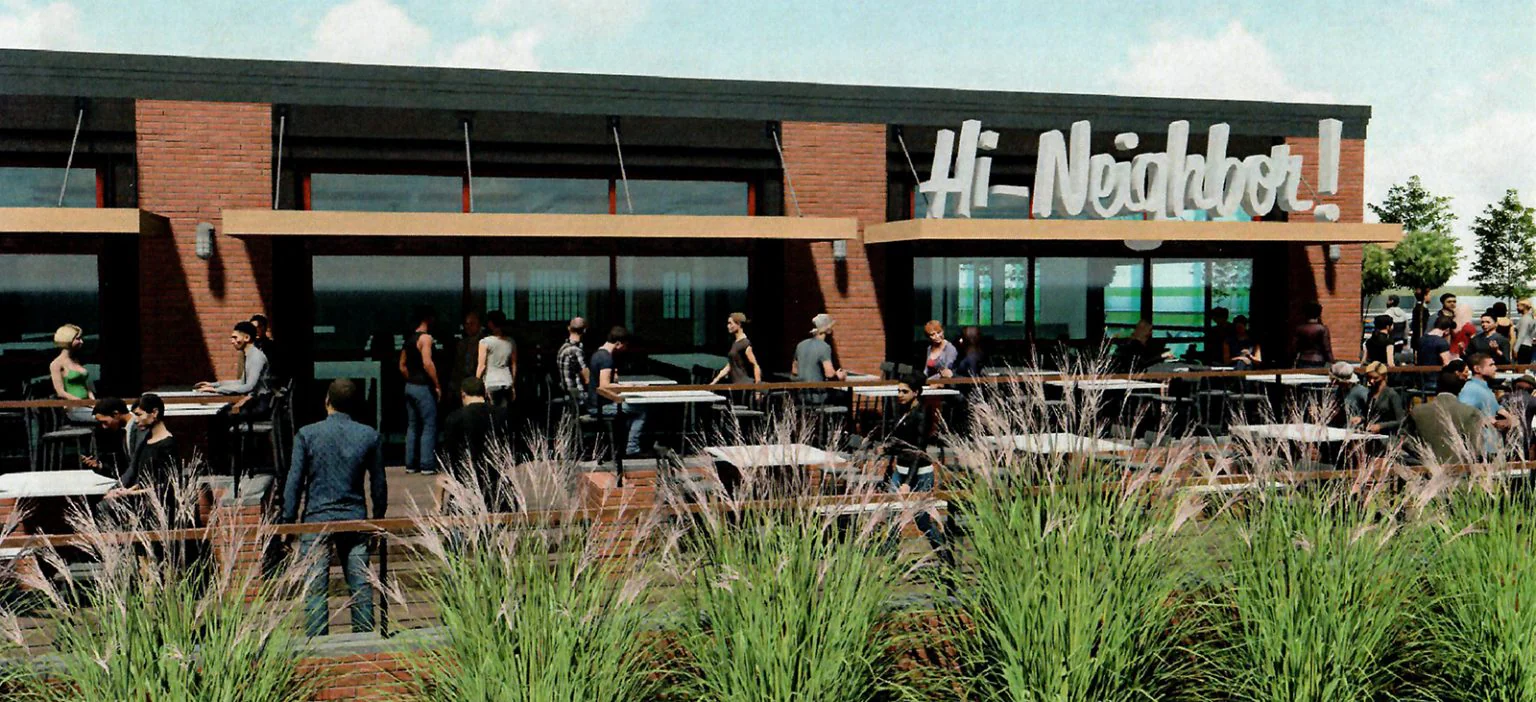
If you live in RI, you’ve probably noticed how many patios and outdoor spaces welcome dogs once the weather warms up. It’s one of my favorite parts of living around Providence. It’s also when I see a predictable challenge: owners want to bring their dog along, but the dog has never learned how to settle in a busy public space. That’s where dog-friendly patio training makes everything easier.
In this post, I’ll walk you through the practical skills I teach at Off Leash K9 Training of Providence, RI to help dogs relax at breweries, cafes, and outdoor dining areas. You’ll learn how to build calm leash manners, prevent begging and barking, and create a “settle” routine that works even with distractions. Done right, dog-friendly patio training is not about perfection. It’s about reliable habits that keep your dog comfortable and keep you from feeling on edge the whole time.
What “good patio behavior” actually looks like
A patio is a lot for a dog: food smells, servers carrying trays, chairs scraping, other dogs passing close by, and people who want to say hi. Without structure, dogs often default to pulling, scanning, whining, or trying to greet everyone.
Here are the behaviors I aim for with dog-friendly patio training:
- Calm entry and exit without dragging you to the table
- A loose leash and a default down near your feet
- Neutral reactions to people walking past and dogs at other tables
- No begging and no hovering around food
- A quick response when you ask for “Place,” “Down,” or “Come”
The American Kennel Club has a solid checklist for whether your dog is ready to go out in public, plus cues to reinforce before you try it: Is your dog ready to go to a restaurant?
At Off Leash K9 Training of Providence, RI, we use this same idea: you don’t “test” your dog at a busy patio first. You train the skills, then gradually raise the difficulty.
Dog-friendly patio training: the core skills that make it work
Most patio problems come from one missing piece: the dog doesn’t know how to settle. Dog-friendly patio training is really calm behavior training in a new environment.
These are the skills I recommend building first:
1) A real “Place” or settle cue
This is the skill that changes everything. Your dog learns, “This mat or this spot is where I relax.”
2) Leash manners in close quarters
Practice walking slowly and turning with you without forging ahead. Patio spaces are tight. Pulling creates immediate stress.
3) Impulse control around food and attention
If your dog has learned that staring, pawing, or whining earns attention, patios will amplify it. Reward calm, ignore demanding behavior, and be consistent.
4) Disengagement from distractions
This is where professional dog training helps most. Your dog should be able to notice another dog, then look back to you. That’s part of building dog confidence and long-term behavior transformation.
If you want a good mindset reminder about why foundations matter, I recommend The Gift of Obedience Training. It connects everyday structure to real-life calm.
Dog-Friendly Business Spotlight
Narragansett Brewery in Providence, RI is a popular local option for dog owners who want an outdoor hangout. Their patio and beer garden policy welcomes dogs on leash, which makes it a great real-world place to practice dog-friendly patio training once your basics are solid. You can review their dog policy and details here: Narragansett Beer FAQ

I like using a spot like this as a training goal because it’s realistic for Providence-area life. The environment has movement, smells, and other dogs, but you can still choose quieter times and keep sessions short. That combination is perfect for building calmer public habits without overwhelming your dog.
A simple step-by-step plan for dog-friendly patio training
If you want to build dog-friendly patio training without guesswork, here’s the progression I recommend.
Step 1: Practice at home (3 to 5 days)
- Teach “Place” and build duration to 3–5 minutes
- Reward calm downs near your chair while you eat
- Practice leash walking patterns in your driveway or sidewalk
Step 2: Practice in low-distraction public spaces (3 to 7 days)
- Go to a quiet park or open area near Providence
- Do short sessions: 5 minutes of training, then leave
- Focus on disengagement: notice distractions, then look back to you
Step 3: Short patio exposures (start with 10 minutes)
- Walk in calmly and pick a table on the edge if possible
- Ask for “Place” or “Down” right away
- Reward calm, not excitement
- Leave while your dog is still successful
The key takeaway is this: dog-friendly patio training is built on successful repetitions, not long stays. Short wins create confidence faster.
If you’re working on household routines that support calm behavior in general, Multi-Dog Success: Expert Training Tips is also useful, especially if your dog gets more amped up when another dog is nearby.
When training programs make the biggest difference
Some dogs can learn dog-friendly patio training with steady home practice. Others need structured coaching, especially if they struggle with reactivity, anxiety, or impulse control.
At Off Leash K9 Training of Providence, RI, we often build patio-ready skills through:
- Private Lessons for hands-on coaching in your neighborhood and real-life settings
- Basic Obedience for reliable cues that hold up around distractions
- Basic & Advanced Obedience when you want stronger consistency in public
- Board and Train for an immersive jump-start that creates structure quickly
- Off-Leash Obedience for long-term reliability and responsiveness
If you want to see which option fits your dog, start here: Dog Training Programs. Building calm public behavior is much easier when you have a clear plan and good timing.
Ready to enjoy patios with a calmer dog?
If you’re in Providence or anywhere in RI and you want help with dog-friendly patio training, I’d love to help you build a plan that fits your dog and your lifestyle. Reach out to Off Leash K9 Training of Providence, RI through our contact page and tell me what your dog does right now on outings and what you want it to look like instead.