
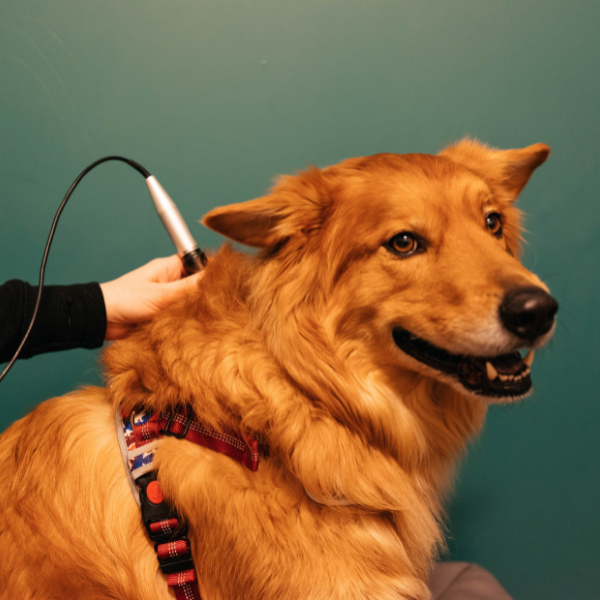
When a dog is recovering from surgery, an injury, or a mobility setback, the hardest part is often the daily routine at home. Canine rehab training gives your dog calm, clear behaviors that support safer movement, easier handling, and more predictable recovery days.
At Off Leash K9 Training of Providence, RI, I build practical obedience training for times when life is not normal. I’ll explain which skills can make rehabilitation easier and how professional dog training can support a plan prescribed by your veterinarian or rehabilitation specialist. Training should support veterinary care, never replace it.
Why Canine Rehab Training Supports Recovery
A dog who normally jumps on furniture, races through doors, or pulls on leash may struggle when activity suddenly has to be limited. Pain, medication, equipment, and a changed schedule can affect behavior too. Canine rehab training adds structure during that transition.
Your veterinary team should decide what movement is appropriate, how often it should happen, and when activity can increase. My role is to help your dog respond calmly to cues that make the medical plan easier to follow.
The American Animal Hospital Association explains that veterinary physical rehabilitation may help pets conditioning or recovering from injury or surgery. Its overview of veterinary physical rehabilitation encourages owners to discuss therapy options with their veterinarian.
Useful behaviors include waiting at doors, walking slowly on leash, settling on a bed, holding a position for handling, and ignoring stairs or furniture. These skills are part of canine rehab training because they reduce preventable chaos around recovery.
Five Skills for Calmer Rehab Days
1. Place
A reliable Place cue gives your dog a defined rest area while the household moves around. Our post on The Gift of Obedience Training explains why everyday structure can strongly affect behavior.
2. Slow leash walking
A bathroom trip can become unsafe if your dog surges toward a squirrel or drags you down a step. Controlled leash movement is central to canine rehab training and supports long-term off-leash reliability.
3. Wait at thresholds
Ask your dog to pause before doors, gates, crates, and vehicles. That moment of control can prevent sudden twisting, jumping, or bolting.
4. Stand and settle
A calm Stand can help with veterinarian-approved handling, harness placement, or equipment checks. A Down or settle cue helps your dog relax afterward. Stop if your dog shows discomfort.
5. Leave it
Recovery may mean avoiding toys, stairs, rough play, or dropped food. “Leave it” helps your dog disengage without a physical struggle.
Canine rehab training should feel predictable, not exhausting. A few successful repetitions are more useful than a long session that creates fatigue or frustration.
Regional Dog-Friendly Business Spotlight
This week I’m highlighting Armory Animal Hospital & Healing Paws Veterinary Rehabilitation Center in Providence, RI.
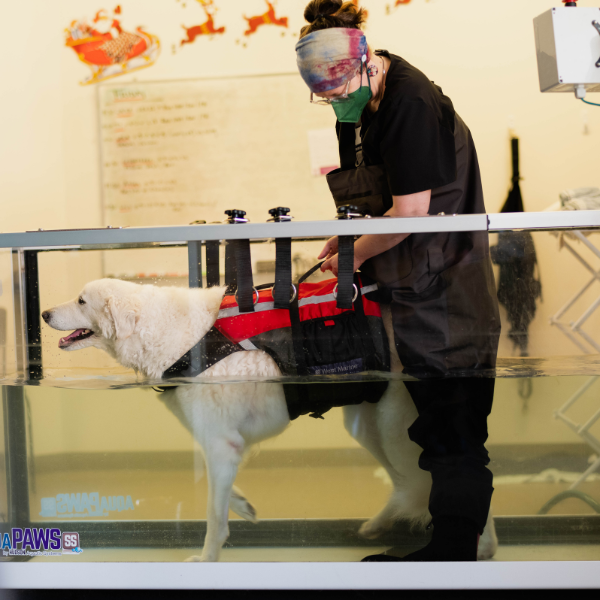
- Company Name: Armory Animal Hospital & Healing Paws Veterinary Rehabilitation Center
- City and State: Providence, RI
- Website: Armory Animal Hospital & Healing Paws Rehabilitation
Its services include hydro-treadmill work, therapeutic laser, range-of-motion exercises, strengthening and proprioceptive exercises, and individualized home exercise programs. Its veterinary team determines the medical plan and appropriate therapies for each patient.
This resource may benefit owners managing post-surgical recovery, arthritis, neurologic conditions, reduced mobility, or conditioning needs. Armory Animal Hospital & Healing Paws is not affiliated with Off Leash K9 Training of Providence, RI. I’m featuring it because veterinary rehabilitation and canine rehab training can complement each other when each professional stays within the proper role.
The rehabilitation team addresses health, pain, mobility, and prescribed exercise. I help owners build calm responses, reliable cues, dog confidence, and household routines that make those instructions easier to follow.
Build a Calm Recovery Routine at Home
Consistency matters more than intensity. I recommend a routine that everyone follows:
- Leash your dog before opening the recovery area.
- Ask for a brief pause before moving.
- Walk at a controlled pace to the approved location.
- Complete only the activity prescribed by the veterinary team.
- Return to Place, a crate, or another approved rest area.
- Reward calm behavior and allow your dog to settle.
In multi-dog homes, separate dogs during high-energy moments. A healthy dog may invite play when the recovering dog needs rest. Our guide to multi-dog success and expert training tips can help create clearer boundaries.
This kind of canine rehab training supports behavior transformation because calm choices still lead to attention, movement, and rewards.
When Professional Training Can Help
Some dogs accept restrictions easily. Others bark in confinement, fight the leash, resist handling, or explode at an open door. At Off Leash K9 Training of Providence, RI, I can build the obedience foundation around the medical plan through Private Lessons and programs such as Basic Obedience.
Professional dog training does not diagnose pain, prescribe exercises, or decide when normal activity can resume. It creates communication, impulse control, and cooperation, making canine rehab training clearer for dog and owner.
Ready to Make Recovery Days Calmer?
For help building calm routines around a veterinarian-approved plan, contact Off Leash K9 Training of Providence, RI. Tell me which moments are hardest, such as leash walks, confinement, handling, doorways, or settling, and I’ll help you build safer daily habits