
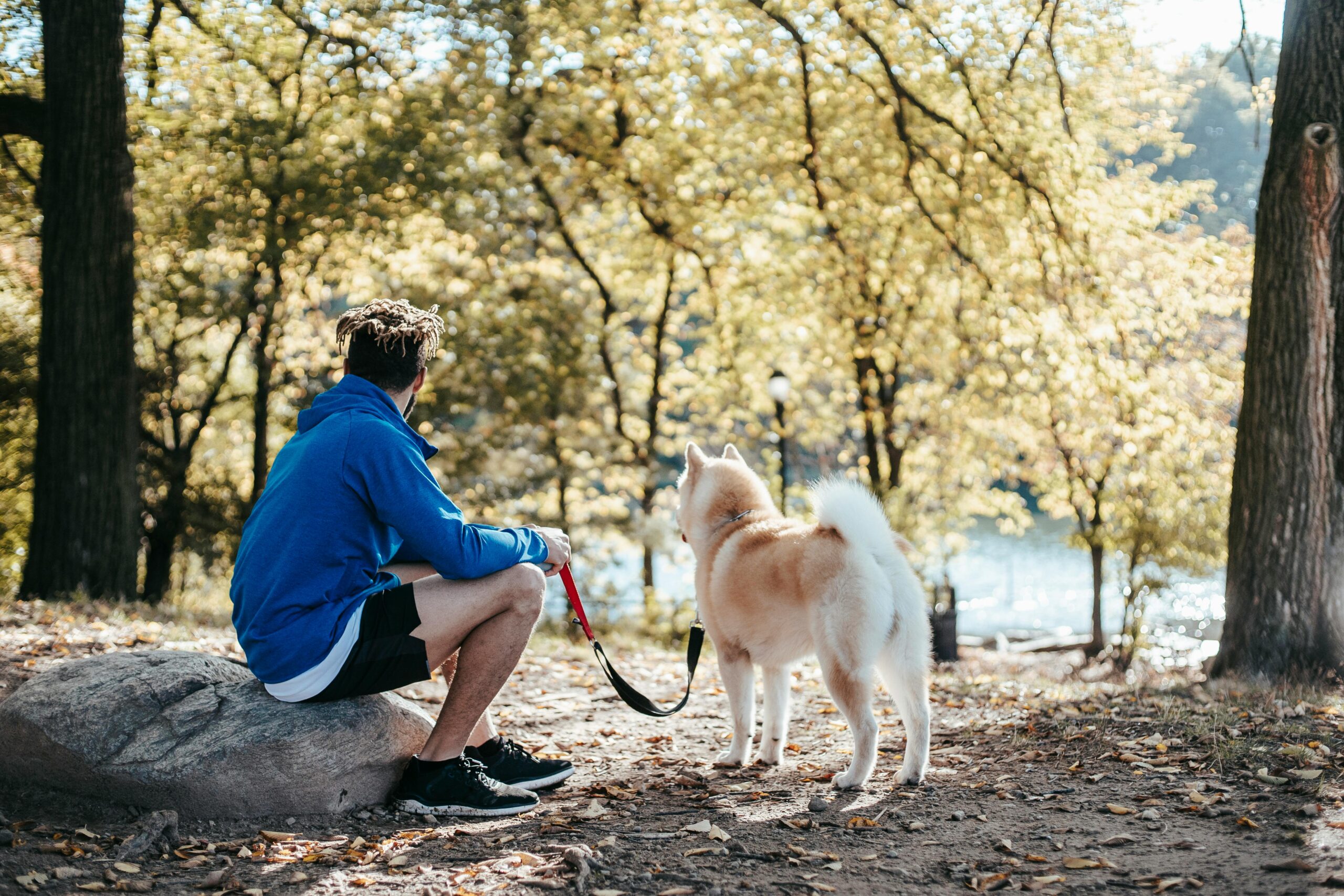
Walking your dog should be an enjoyable activity, not a stressful one. Yet many owners struggle with leash reactivity: barking, lunging, or growling when their dog sees another dog, person, or distraction. It can be frustrating and embarrassing, but it is also one of the most common behavior challenges we address in training.
The good news is leash reactivity can be managed and even eliminated with the right approach. In this article, we will cover the root causes, effective training strategies, and common myths that may be holding you back.
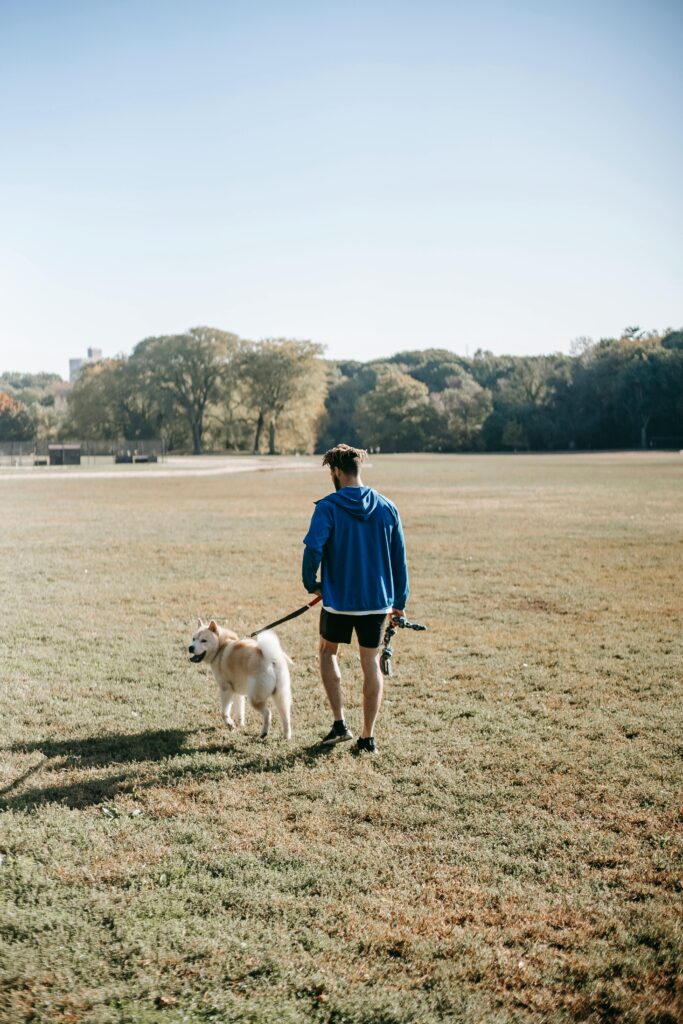
What Is Leash Reactivity?
You are walking your dog in Providence when suddenly they lunge, bark, or growl at another dog across the street. This is leash reactivity. It often looks like aggression, but in many cases, it is your dog’s way of expressing frustration, excitement, or insecurity while restrained.
Leash reactivity is one of the most common challenges we see across Rhode Island, from busy city sidewalks to coastal trails. The good news is that with clear strategies and consistency, it can be managed and often resolved.
Common Causes of Leash Reactivity
- Frustration
Dogs that enjoy greeting others may become frustrated when the leash prevents them from doing so. - Fear or insecurity
Some dogs feel trapped when on leash and react defensively to create distance. - Lack of impulse control
Without structured training, dogs often struggle to manage their excitement. - Past negative experiences
A scary encounter on leash can trigger lasting reactivity. - Handler tension
Dogs pick up on leash tightening and nervous energy, which can amplify their own stress.
Myths About Leash Reactivity
Myth 1: My dog must be aggressive.
Not true. Many leash-reactive dogs are perfectly social off leash.
Myth 2: More exposure will fix it.
Simply taking your dog to dog parks or crowded areas without a plan usually makes it worse. Structured exposure is what works.
Myth 3: Punishment will stop the behavior.
Correcting a dog harshly for reacting often increases stress. Balanced training uses clear guidance, redirection, and positive reinforcement for calm behavior.
For more perspective on choosing safe environments, check out our article on Are Dog Parks Safe in Providence, Rhode Island?.
Fixing Leash Reactivity: A Step-by-Step Approach
- Manage the environment
Start in low-distraction areas. Work at distances where your dog notices but does not react. - Reward neutrality
Mark and reward when your dog looks at a trigger and then back at you without reacting. - Use structured exercises
- “Sit and Look” drills when another dog passes
- Figure-eight walking patterns to build focus
- Place training to teach calmness around activity
- Practice leash handling
Keep the leash loose but ready. A tight leash can signal tension. - Slowly reduce distance
Over time, move closer to triggers while reinforcing calm behavior.
Training Tools and Guidance
Choosing the right walking gear can make a big difference. The AKC guide to harnesses vs. collars is a useful resource for understanding which tool suits your dog’s needs and training goals.
Why Professional Help Matters
Leash reactivity can be frustrating and emotionally draining. Many Rhode Island owners try to tackle it alone and end up stuck in a cycle of bad walks. With professional support, progress happens faster.
Our Basic & Advanced Obedience Program is designed to address reactivity by building rock-solid obedience, teaching impulse control, and creating calm, confident walks.
Final Thoughts and Next Steps
Leash reactivity is not a life sentence. With patience, structured training, and the right support, your dog can learn to walk calmly past distractions. The goal is not just quieter walks, but also more enjoyable experiences for both of you.
If your dog struggles with reactivity, reach out through our contact page and let us build a training plan tailored to your needs.