
A Fresh Start for You and Your Dog
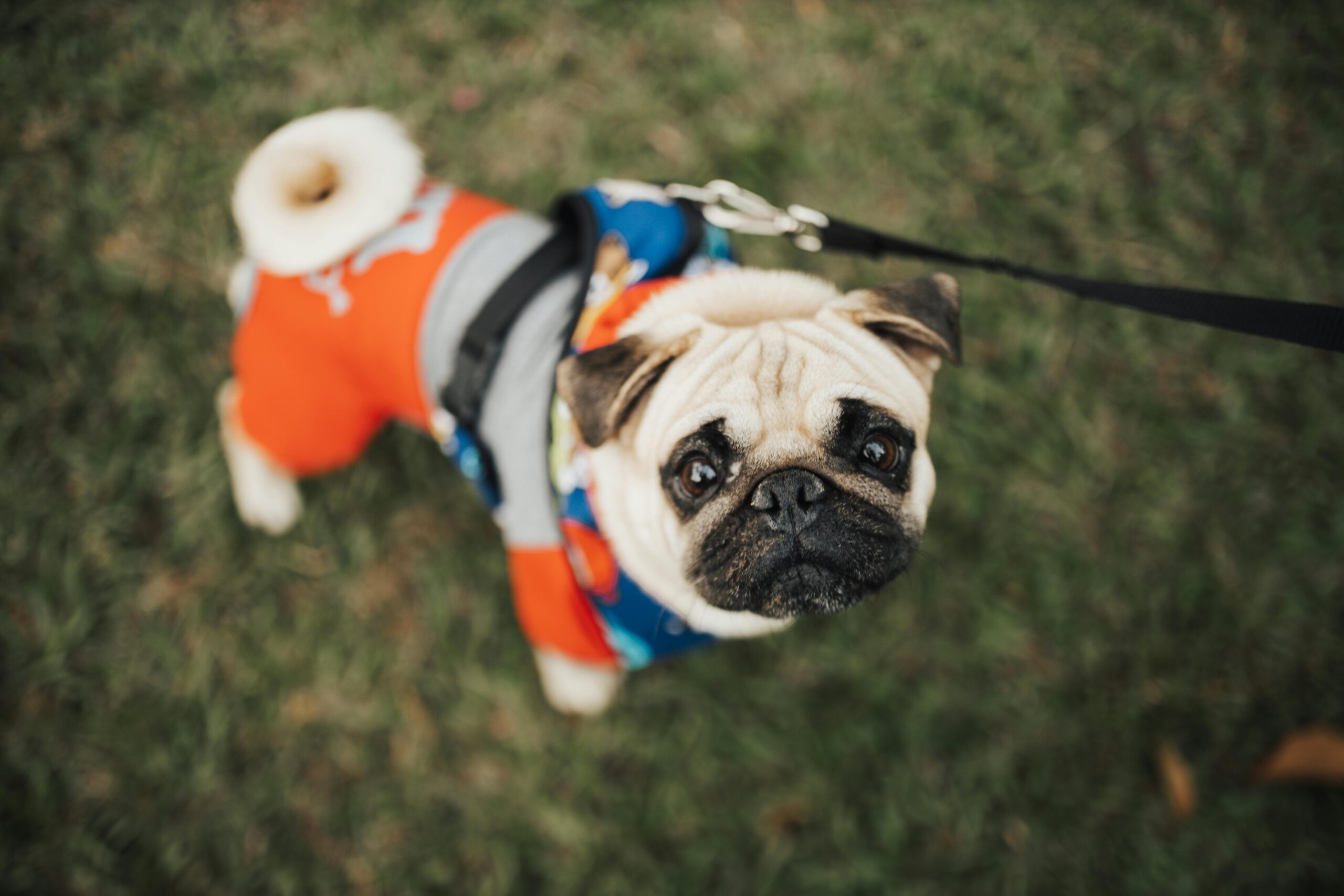
As 2026 begins, it’s the perfect time to reset your goals and strengthen your bond with your dog. Whether you have a playful puppy, a rescued companion, or a seasoned dog ready for advanced challenges, the New Year is full of opportunities for growth and transformation.
Here in Rhode Island, the winter months bring quiet mornings and cozy evenings, ideal moments for consistency, reflection, and focused training.
This guide will walk you through how to set achievable goals, refresh your routines, and make this year your dog’s best one yet.
Step 1: Reflect on the Year That Was
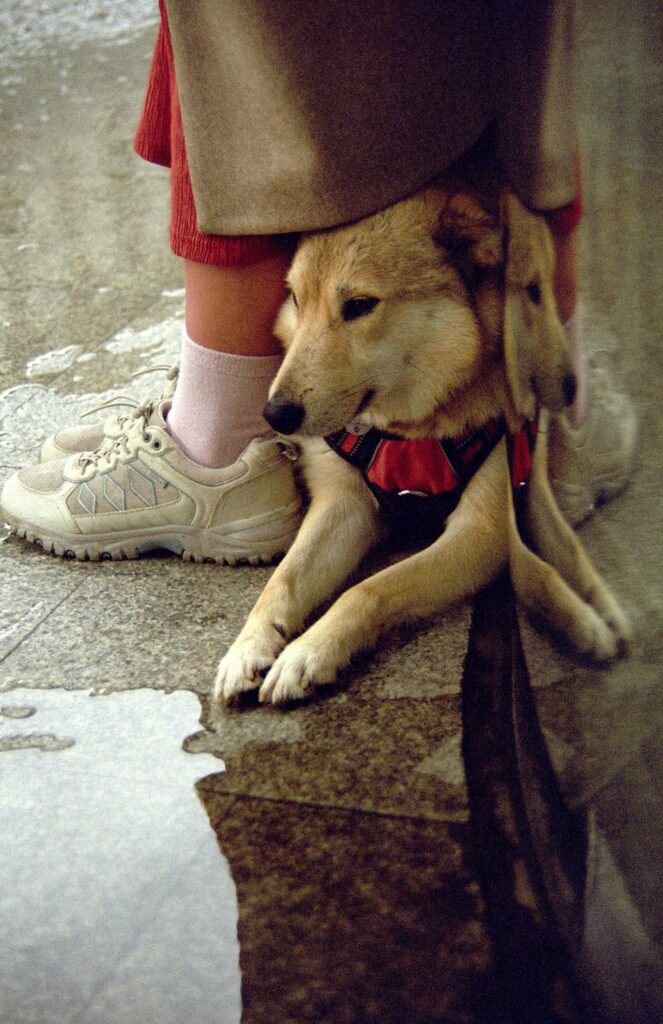
Before diving into new goals, take a moment to look back. What went well last year, and where did you struggle? Did your dog improve on leash manners or recall? Or are distractions still a challenge?
Training is an ongoing process. Every success and setback provides valuable insight into what to focus on next.
A great way to evaluate progress is to review your past training milestones. Our blog on Obedience Training: A Powerful Lifelong Journey offers a framework for measuring long-term development across all stages of your dog’s life.
Step 2: Set Clear, Realistic Goals
Avoid vague resolutions like “train more.” Instead, define specific, measurable objectives. Examples include:
- Perfecting recall off-leash by spring
- Reducing leash reactivity around other dogs
- Strengthening calm behavior at the door when guests arrive
- Introducing new obedience commands or fun tricks
Start small. Success builds momentum.
Step 3: Build a Consistent Training Schedule
A consistent schedule is the key to sustainable progress. Training for just 10–15 minutes daily is far more effective than sporadic long sessions.
Sample Weekly Plan:
- Monday: Leash focus and walking drills
- Tuesday: Place command and impulse control
- Wednesday: Recall practice at home
- Thursday: Distraction training with toys or sounds
- Friday: Confidence-building trick or new skill
- Saturday: Public exposure at a park or dog-friendly café
- Sunday: Review and rest
If your week gets busy, our post on Busy Dog Owners: Proven Ways to Reinforce Training can help you stay consistent even on tight schedules.
Step 4: Strengthen Communication
Training is a two-way conversation. Dogs need clarity, consistency, and calm leadership. Avoid repeating commands; instead, reward your dog’s first response. This builds reliability and respect.
The AKC guide to the dos and don’ts of effective training explains how proper timing, body language, and positive reinforcement lead to lasting obedience.
Step 5: Enrich Your Dog’s Mind
Mental stimulation is as vital as physical exercise, especially during the colder months.
Simple enrichment ideas:
- Hide treats around the house for nose work
- Use puzzle feeders or snuffle mats
- Practice “find it” games with favorite toys
- Teach new commands like “spin” or “touch”
- Reinforce patience through calm waiting exercises
Indoor challenges keep your dog focused, even when outdoor time is limited.
Step 6: Socialization and Real-World Skills
Socialization isn’t just for puppies. Dogs of all ages benefit from learning how to stay composed in different environments. Practice polite behavior in public spaces, pet stores, or during family visits.
Our Basic & Advanced Obedience Program focuses on real-world reliability, teaching your dog to respond calmly in parks, cafés, and social gatherings.
Step 7: Practice Patience and Reward Progress
Every dog learns differently. Celebrate small wins, like calmly waiting at the door or ignoring a distraction. These moments build confidence and trust.
Even setbacks are part of the process. Stay patient, keep training sessions short and positive, and remember that consistency always outweighs perfection.
Checklist: Your 2026 Dog Training Plan
- Set 3 clear obedience goals for the next 90 days
- Schedule two short sessions daily
- Reinforce calm behavior with positive rewards
- Add new challenges monthly (tricks, social settings, distance drills)
- Keep treats, toys, and leash ready for spontaneous practice
- Review progress every Sunday
This checklist keeps you accountable while keeping training enjoyable for your dog.
Step 8: Invest in Professional Support
Sometimes the best gift you can give your dog is expert guidance. Professional training provides structure, accountability, and faster results.
Our Rhode Island team specializes in helping owners achieve confidence and reliability through customized programs. Whether you need help with leash manners, recall, or reactivity, we’ll design a plan that fits your goals.
Frequently Asked Questions About New Year Dog Training
- When should I start training my dog in the New Year?
Now. Consistency from January onward sets the tone for long-term success. - How long before I see results?
Most owners notice improvement within a few weeks of consistent, focused sessions. - Can older dogs still learn new commands?
Yes. Dogs of all ages benefit from training, though older dogs may progress at a steadier pace. - What should I do if I miss training days?
Simply restart. Training is cumulative, not all-or-nothing. Short, frequent sessions are best. - Is professional training worth it for basic obedience?
Absolutely. Even basic obedience strengthens focus, control, and mutual understanding between you and your dog.
Final Thoughts and Next Steps
The start of a new year represents growth and possibility, for you and your dog. With clear goals, consistent effort, and structured support, 2026 can be your best year yet.
If you are ready to transform your dog’s behavior and build a lasting bond, contact us through our contact page and let’s make this your dog’s best year yet.