
One of the simplest ways to get better behavior is also one of the most misunderstood: using the right reward at the right time. When owners tell me, “My dog isn’t food-motivated,” I usually find they’re using rewards that are too boring, too big, or offered too late. Training treats for dogs work best when they are small, high value, and paired with clear expectations. Done right, treats do not create a “treat-only” dog. They create a dog that understands what you want and feels good doing it.
In this post, I’ll explain how I use training treats for dogs with clients at Off Leash K9 Training of Providence, RI, including how to prevent begging, build impulse control, and fade treats without losing reliability. I’ll also spotlight a local RI dog bakery that can be a great source of training-friendly rewards.
Why training treats for dogs support real obedience training
Treats are not bribery when they are used correctly. They are feedback. In professional dog training, we use rewards to mark the right choice and build repetition. That’s how skills become habits, and habits become behavior transformation.
Here’s what training treats for dogs help you teach faster:
- Engagement: your dog chooses you over distractions
- Timing: you can reward calm decisions in the moment
- Confidence: dogs learn quicker when they feel successful
- Consistency: rewards make practice clearer for the dog
The key is that treats support the training plan, not replace it. I want the dog to learn reliable cues like sit, down, place, and come. Treats simply make learning cleaner and calmer.
If you want a good mindset reset around why structure matters, this internal post pairs well with treat-based work: The Gift of Obedience Training.
Training treats for dogs without creating begging or pushy behavior
A common fear is that training treats for dogs will create a dog that pesters you. That only happens when treats are delivered for demanding behavior instead of earned behavior.
Here are the rules I follow at Off Leash K9 Training of Providence, RI:
1) Treats come after behavior, not before
Ask for a simple cue, then reward. If the dog is jumping or barking for food, the reward stops until calm returns.
2) Use tiny pieces and reward often at first
Small treats keep reps fast and help you avoid overfeeding.
3) Pair treats with markers
A consistent “yes” or click helps your dog understand exactly what earned the reward.
4) Put treats away between sessions
If treats are always visible, some dogs get frantic. Keep them in a pouch, then put them away when you are done.
5) Add impulse control during daily life
Use training treats for dogs to teach patience:
- sit before going out the door
- down before the food bowl goes down
- place while you cook
Dog-Friendly Business Spotlight
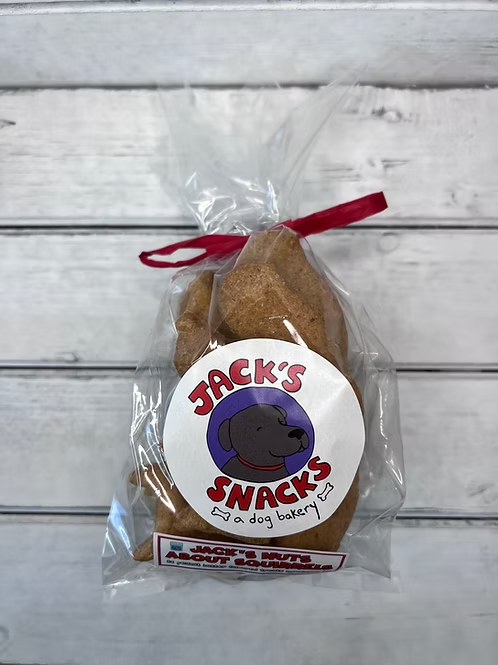
If you’re looking for a local source of dog-safe baked rewards, Jack’s Snacks in Warwick, RI is a dog bakery within easy driving distance of Providence. They specialize in dog treats and even dog-friendly celebration items, which can be helpful when you want higher-value rewards for training sessions and real-life practice. You can learn more here: Jack’s Snacks.
I like highlighting a dog bakery in a training context because training treats for dogs are most effective when they are motivating, small, and easy to deliver. Having a reliable local option can help owners stay consistent, especially during early obedience training.
How I choose training treats for dogs for best results
Not every treat works for every dog. Some dogs want soft, smelly treats. Others do well with crunchy options. The goal is to pick something your dog cares about without upsetting their stomach.
A practical selection checklist:
- Size: pea-sized or smaller
- Texture: soft is usually easier for fast reps
- Smell: higher smell often equals higher motivation
- Ingredients: simple, especially for sensitive dogs
- Portability: easy to carry, not messy
The AKC has a helpful overview on treat safety and smart treat choices, including how to avoid overdoing it: How many treats should you give your dog?.
When owners get this part right, training treats for dogs become a tool for clarity, not a crutch.
Fading training treats for dogs while keeping off-leash reliability
Treats should not be permanent payment for every behavior. The end goal is reliability. I want the dog to respond because the cue is clear and the expectation is consistent.
Here’s how I fade training treats for dogs without losing progress:
- Move from constant rewards to variable rewards
Reward every rep at first. Then reward every other rep. Then reward randomly. - Mix in real-life rewards
Use praise, play, sniff breaks, and access to space as rewards. These are powerful. - Use treats to reinforce the hardest moments
Save your best training treats for dogs for:
- busy sidewalks in Providence
- dogs passing close by
- doorways and greetings
- new environments
- Keep practicing recall and place
These two skills are the backbone of off-leash reliability and calm public behavior.
If you want a structured path for this, our Dog Training Programs can help you build a consistent plan. In many cases, Private Lessons are great for coaching your timing, while Board and Train can jump-start foundation skills quickly.
Ready to make training easier and more consistent?
If you’re in Providence or anywhere in RI and you want a clear plan for using training treats for dogs to build calmer manners and stronger obedience, reach out to Off Leash K9 Training of Providence, RI. You can contact us here: Contact Off Leash K9 Training of Providence, RI. With the right structure, treats become a simple way to support real behavior change, not a source of bad habits.